





Business Use
Qualified business use generally must exceed 50% during the year.

What Hillsboro and Portland-area business owners should know before purchasing a work truck, van, or commercial vehicle for 2026.
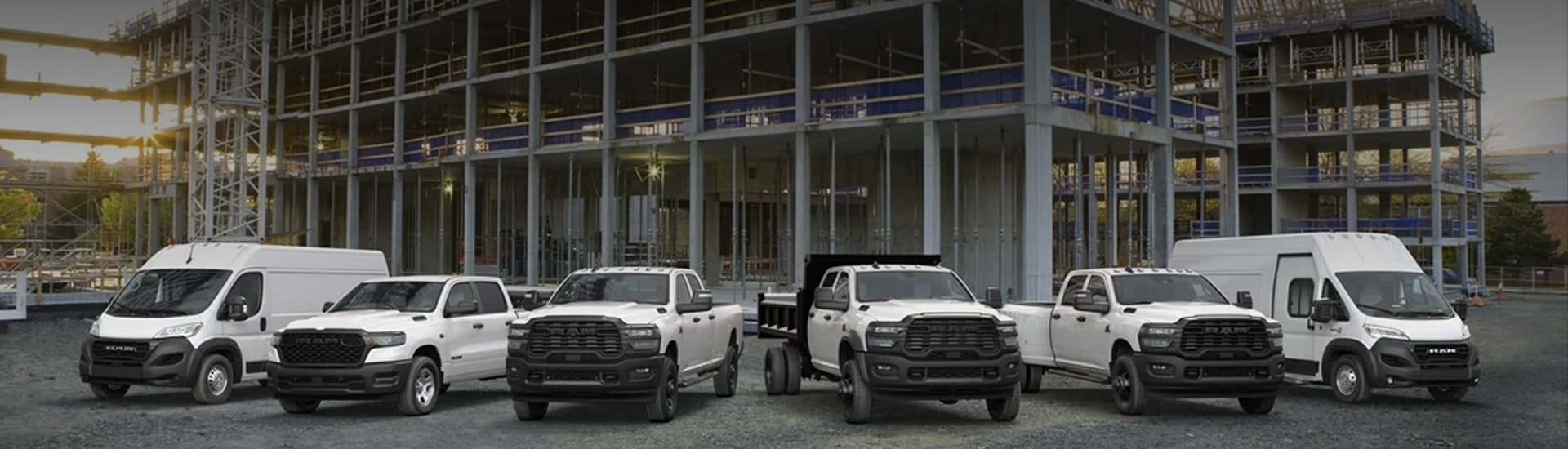
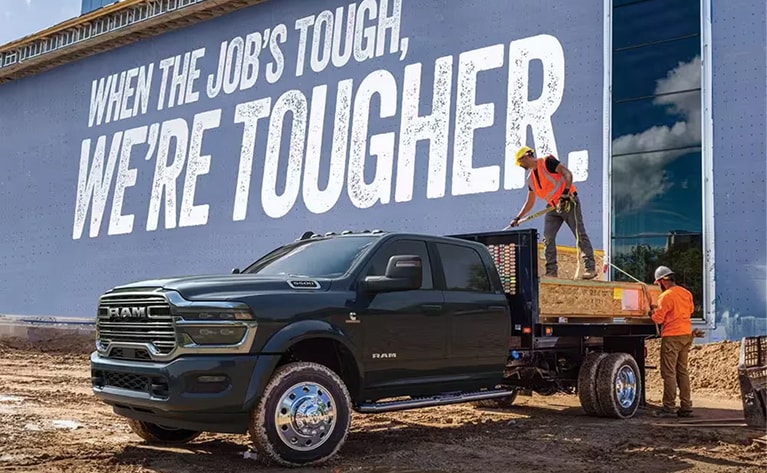
For contractors, service companies, landscapers, delivery businesses, trades, and other Hillsboro-area companies, a truck or commercial van can be a major equipment purchase.
Section 179 may allow an eligible business to deduct part or all of a qualifying vehicle's cost sooner instead of depreciating the full purchase over several years.
These vehicle and usage details are worth confirming before relying on Section 179 when choosing a work vehicle.
Qualified business use generally must exceed 50% during the year.
Pickups, cargo vans, chassis cabs, and passenger SUVs can be treated differently.
Gross Vehicle Weight Rating can affect applicable limits, but weight alone does not determine eligibility.
The vehicle generally needs to be ready and available for business use during the tax year claimed.
Does a vehicle over 6,000 lbs. automatically qualify? No. GVWR can affect how a vehicle is treated, but being over 6,000 lbs. does not automatically mean the full purchase price is deductible. Vehicle classification, configuration, business use, and your tax situation still matter.
Section 179 should not be the only reason you choose a particular truck or van. Start with payload, towing, cargo space, equipment, crew needs, and the type of work your business handles every day.
Once you identify the right vehicle, confirm its configuration and potential Section 179 treatment with your tax professional.

Trucks, cargo vans, chassis cabs, and other commercial vehicles can potentially qualify when Section 179 requirements are met. Start with the vehicle that best fits the work your business needs to do.
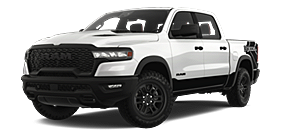
An everyday pickup option for property managers, sales teams, light contractors, and other businesses that need practical truck capability.
Section 179: Eligibility depends on configuration, GVWR, business use, and applicable limits.
View Ram 1500 →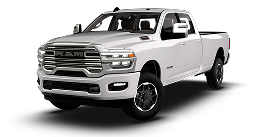
Built for contractors, construction companies, towing, equipment, landscaping, and heavier-duty work.
Section 179: Many Heavy Duty configurations exceed 6,000 lbs. GVWR and may qualify when other requirements are met.
View Heavy Duty →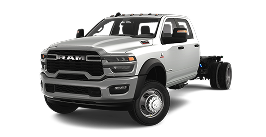
Designed for service bodies, utility bodies, flatbeds, contractors, and specialized commercial upfits.
Section 179: Purpose-built commercial configurations may qualify when business-use and tax requirements are met.
View Chassis Cab →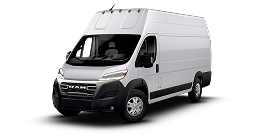
A practical choice for electricians, plumbers, HVAC companies, deliveries, mobile services, and enclosed cargo needs.
Section 179: Qualifying cargo-van configurations may be eligible when used primarily for qualified business purposes.
View ProMaster →For most businesses purchasing one work truck or van, the vehicle's classification, configuration, GVWR, and business use are more relevant than the overall program limit.
Maximum aggregate federal Section 179 deduction for qualifying property placed in service during the year.
The available deduction begins decreasing after qualifying property placed in service exceeds this amount.
Certain heavy passenger SUVs are subject to a separate Section 179 limitation for 2026.
For most small-business buyers: the overall program limit is usually not the deciding factor when purchasing one work truck or van. Vehicle classification, GVWR, configuration, business-use percentage, and your tax situation are more relevant to the individual purchase.
Buying for an Oregon business? Oregon does not follow the current federal bonus-depreciation provision for tax years 2026 and later, so federal and Oregon results may differ. Have your tax professional confirm both before relying on an estimated deduction.
Don't focus only on when the paperwork is signed. When the vehicle is actually ready and available for business use can matter for the deduction.
Tonkin Hillsboro CJDR helps businesses throughout Hillsboro, Washington County, and the Portland metro compare Ram trucks, commercial vans, and work-ready configurations. Our team can help with the vehicle; your tax professional should confirm the deduction.