

Tonkin Hillsboro Chrysler Jeep Dodge RAM
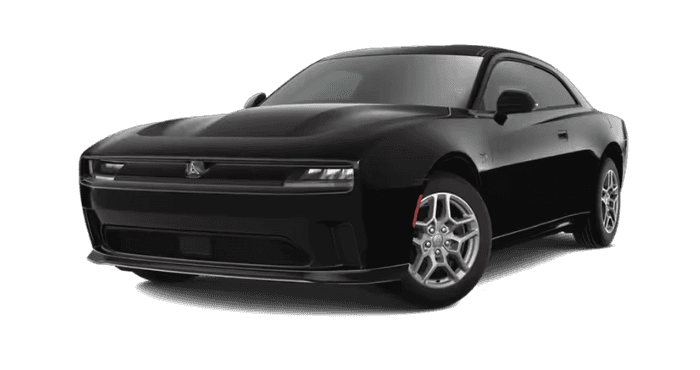
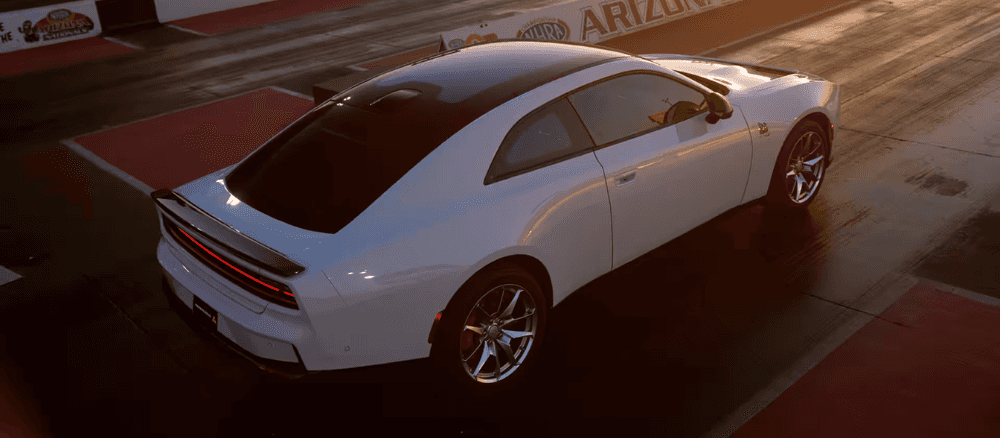
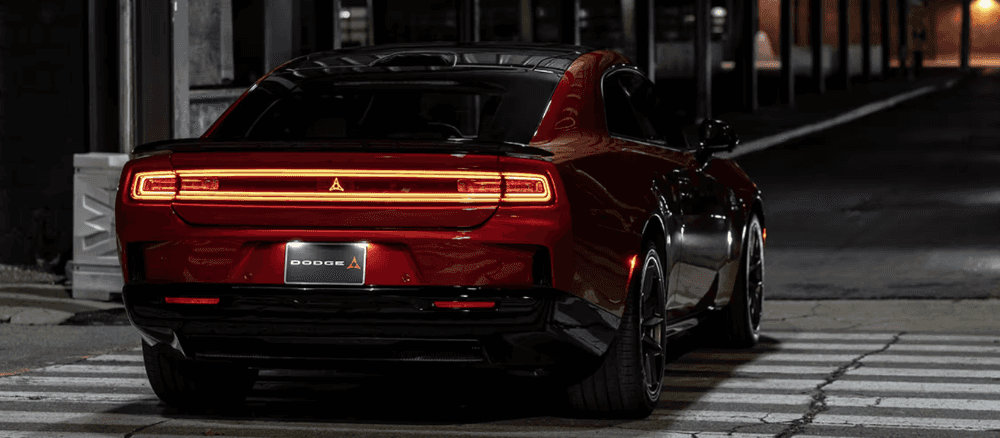
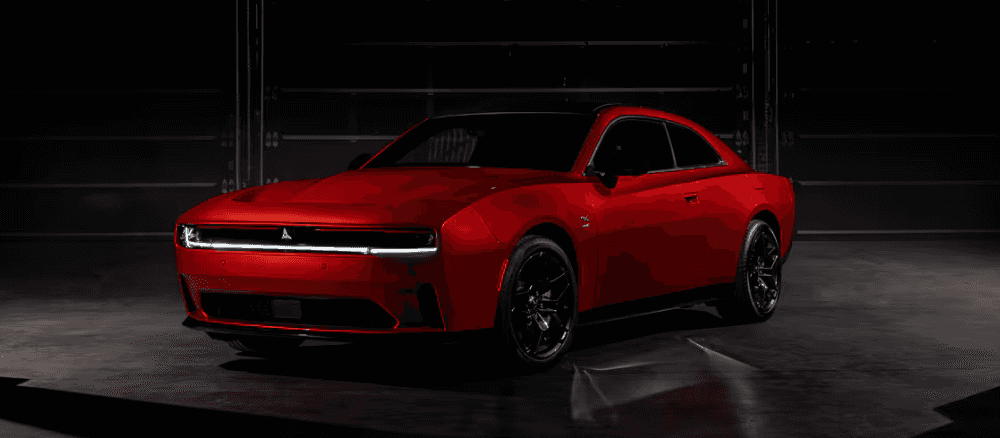
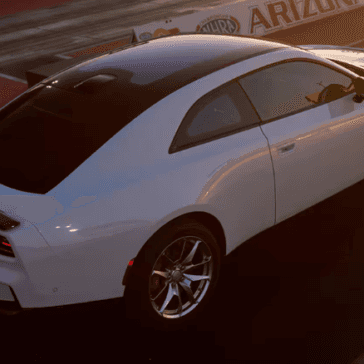
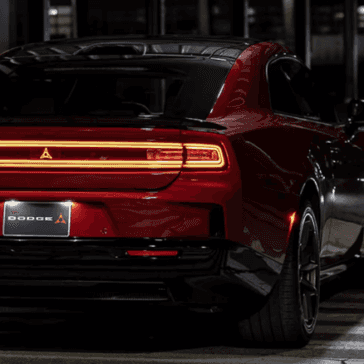
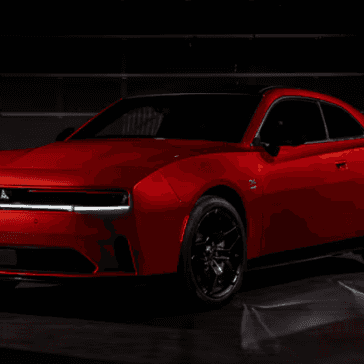
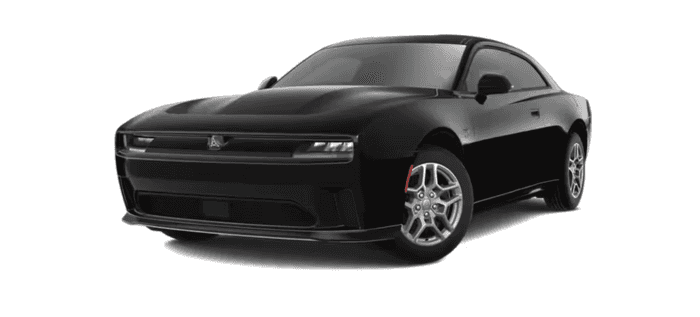
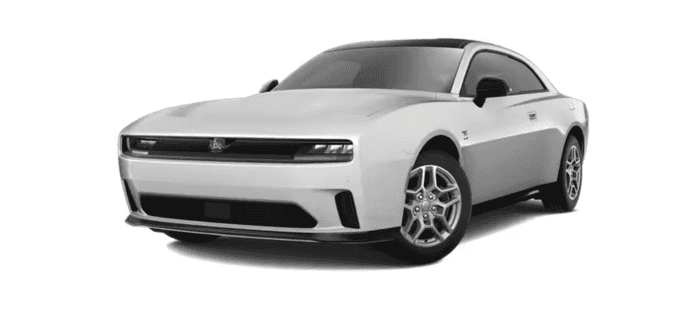
The iconic American muscle car is reborn: the 2025 Dodge Charger takes bold steps into the future with electrifying power, modern design, and raw performance. Built to continue the Charger legacy, this next-generation model offers blistering speed, driver-focused innovation, and a design that nods to its classic roots while pushing the boundaries of tomorrow. Whether you’re tearing down the quarter-mile or cruising city streets, the all-new Dodge Charger and its next-gen architecture deliver an experience that’s powerful, precise, and unmistakably Dodge.
The 2025 Dodge Charger features a high-tech cockpit with a massive curved touchscreen display, reconfigurable performance gauges, and intuitive infotainment controls. It’s engineered with advanced EV-specific performance features and cutting-edge safety systems that keep you connected and confident every mile. From its Fratzonic Chambered Exhaust that roars like a V8 to its available all-wheel drive, this is muscle redefined.
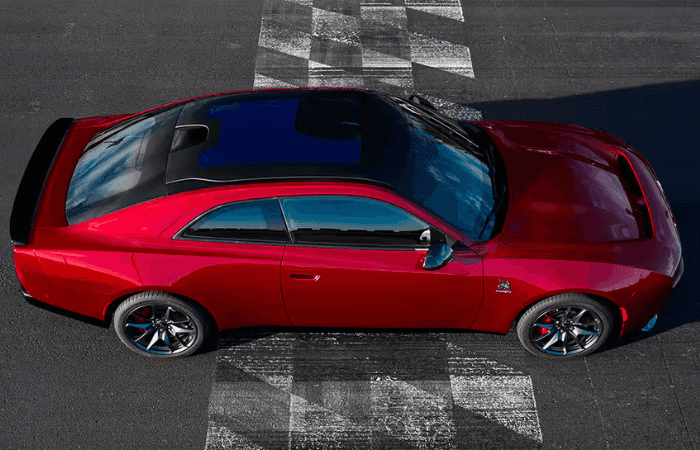
The 2025 Dodge Charger models offer performance muscle redefined for the electric era. Available performance features include:
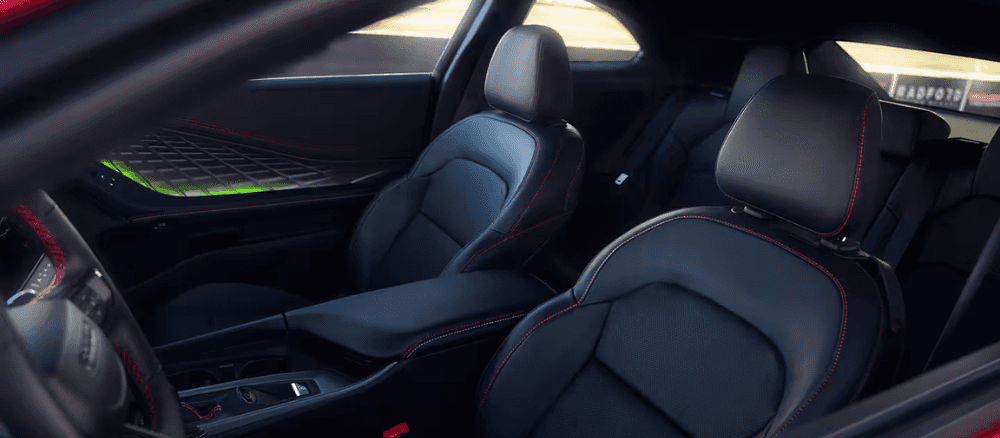
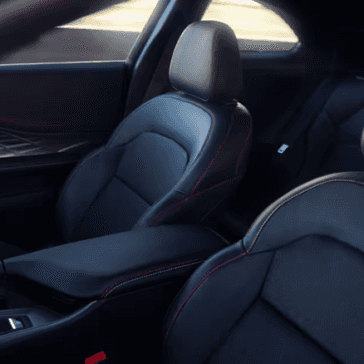
Designed for excitement and comfort, the Charger’s interior combines heritage-inspired elements with futuristic luxury. Available interior features include:
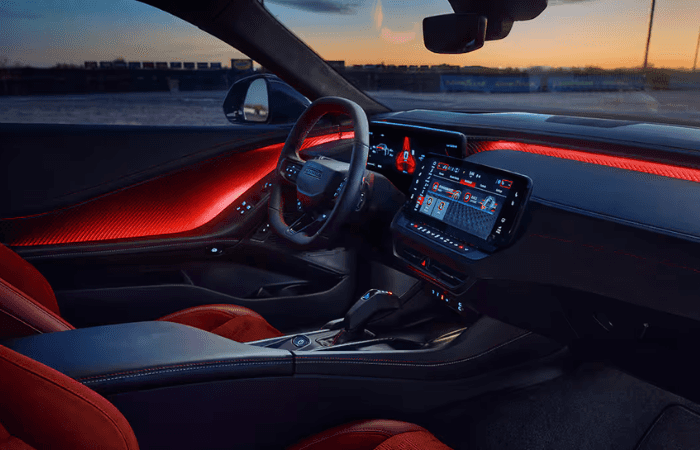
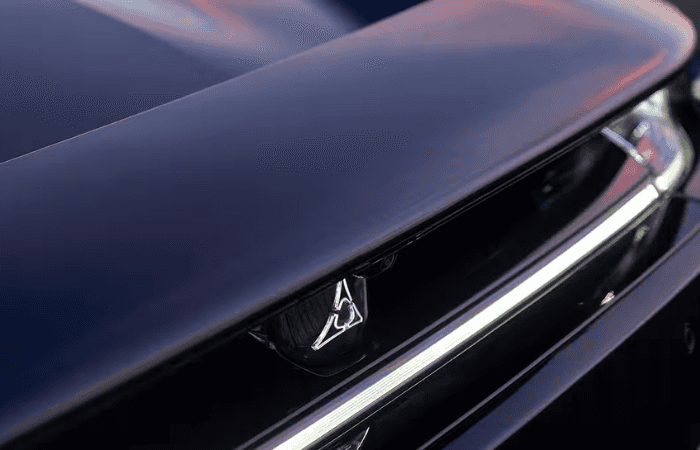
Crafted for excitement and comfort, the Charger’s interior blends heritage-inspired details with modern luxury. Available interior features include:
The 2025 Dodge Charger weighs between 4,400 and 5,500 pounds (1,996 to 2,495 kg) depending on the specific trim level and powertrain configuration. The base Charger with the 2.0L Hurricane engine is the lightest at approximately 4,400 pounds, while the mid-range R/T STLA Large platform models weigh around 4,850 pounds. The Daytona EV models are the heaviest, with the top-tier Daytona Scat Pack weighing approximately 5,500 pounds due to its battery pack.
This weight range represents a significant increase compared to the previous generation Charger, primarily due to the new electric and hybrid powertrains introduced in the 2025 redesign. The vehicle’s weight affects fuel efficiency, acceleration, handling, and braking performance. The heavier EV models compensate with increased power output from their electric motors.
The Dodge Charger is not traditionally classified as a sports car, but rather as a full-size performance sedan or muscle car, depending on the trim level.
The 2025 Dodge Charger offers three main powertrain categories:
Internal combustion engines:
Hybrid options:
All-electric powertrains (Daytona models):
These powertrains deliver a range of performance options from efficient daily driving to high-performance capability.
The 2025 Dodge Charger offers between 420 and 670+ horsepower depending on the model and powertrain configuration.
The base Hurricane 2.0L twin-turbocharged inline-four engine produces approximately 420 horsepower. The more powerful Hurricane 3.0L twin-turbocharged inline-six engine delivers around 550 horsepower in higher performance trims.
For the electric Daytona models, power output ranges from approximately 455 horsepower in the base Daytona to over 670 horsepower in the performance-oriented Daytona Scat Pack.
The hybrid variants combine the Hurricane engines with electric motors for enhanced performance, with total system horsepower falling between the standard gas and full electric options.
A well-maintained Dodge Charger can last between 200,000 to 300,000 miles. Many owners report their Chargers reaching 200,000 miles with proper maintenance, while some vehicles exceed 250,000 miles.
Several factors affect a Charger’s longevity including maintenance habits, driving conditions, and engine type. Regular oil changes every 5,000-7,500 miles, transmission fluid changes every 60,000-100,000 miles, and prompt attention to mechanical issues significantly extend the vehicle’s lifespan.
The 2025 Dodge Charger with internal combustion engines takes 91 octane premium unleaded gasoline for optimal performance. This applies to both the Hurricane 2.0L twin-turbocharged inline-four and the Hurricane 3.0L twin-turbocharged inline-six engine options.
While these engines can run on regular 87 octane fuel in a pinch, Dodge recommends premium fuel to maintain the advertised performance figures and prevent engine knock. Using lower octane fuel consistently may result in reduced horsepower, lower torque, decreased fuel efficiency, and potentially cause engine damage over time.
The Daytona electric variants of the 2025 Charger do not require gasoline as they run exclusively on electricity stored in their battery packs, which can be recharged at home or at public charging stations.
For hybrid models in the lineup, the same premium fuel recommendation applies to their internal combustion components.
*Starting MSRP. MSRP excludes destination, taxes, title and registration fees. Starting at price refers to the base model, optional equipment not included. A more expensive model may be shown. Pricing and offers may change at any time without notification. To get full pricing details, see your dealer.